
How Traffic Management Planning Helps Meet MUTCD Requirements
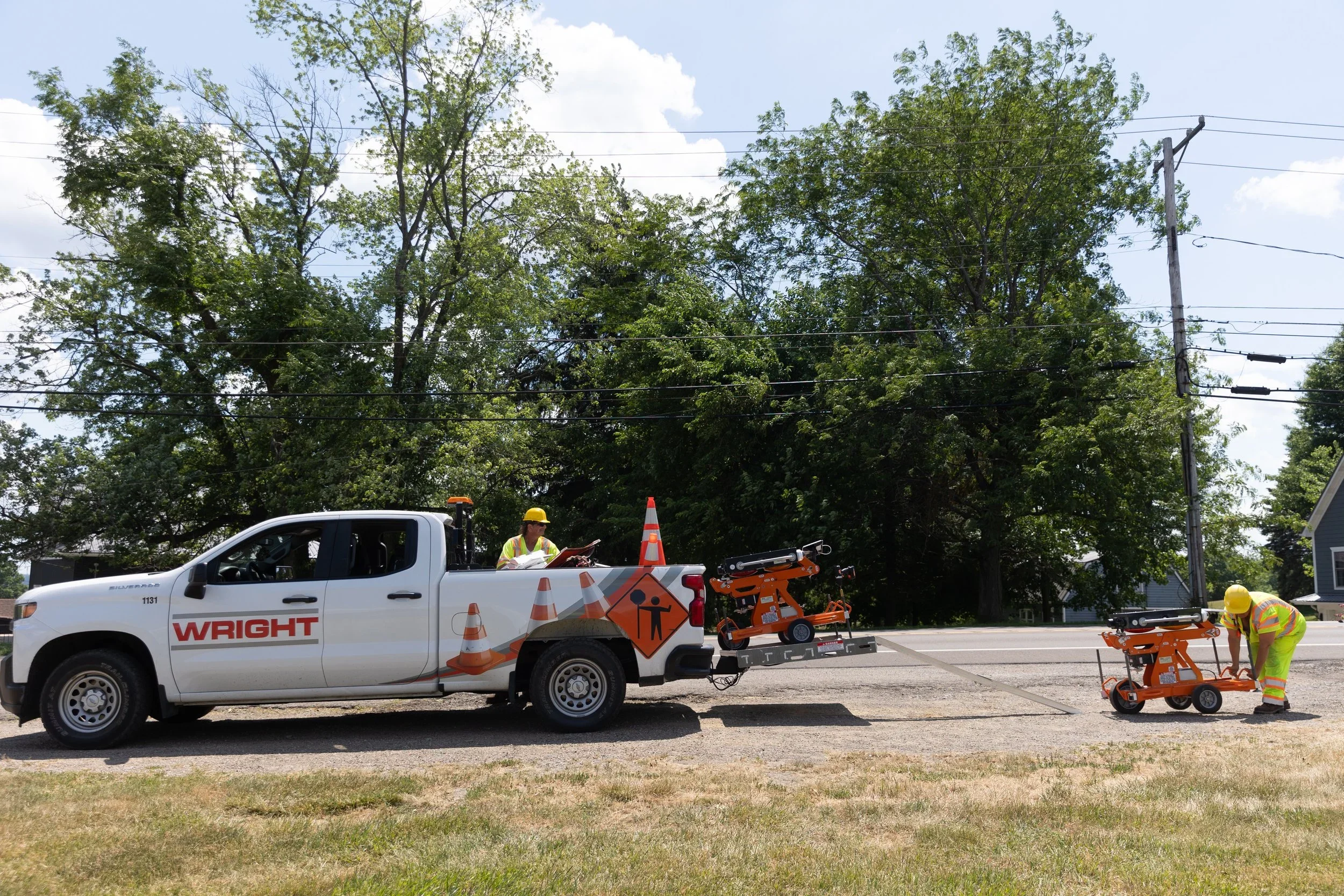
Every road project, from a short utility repair to a multi-mile highway expansion, creates a temporary disruption to normal traffic flow. How that disruption is managed can determine whether a job site remains safe or becomes a hazard for both workers and drivers.
A well-designed traffic management plan is crucial for maintaining orderly work zones and minimizing risks on active roadways. It helps drivers navigate changing conditions safely, maintains traffic flow, and creates a safer environment for workers, motorists, and pedestrians.
What is a traffic management plan?
A traffic management plan is a documented strategy that outlines how vehicles, pedestrians, and workers will move safely through and around a construction or maintenance site. It includes details on sign placement, lane closures, detour routes, flagger locations, work schedules, and the traffic control devices needed on site.
Instead of addressing issues after they occur, a well-structured plan identifies potential challenges in advance and establishes measures to manage them safely and efficiently.
Why traffic management planning matters
Before traffic control devices are placed in the field, project teams must understand the conditions they are working with. Effective traffic management planning provides a structured process for evaluating those conditions and developing a strategy that keeps traffic moving safely.
This process often includes:
Reviewing traffic volumes and peak travel periods to anticipate congestion and traffic impacts.
Evaluating roadway layout, intersections, driveways, and visibility conditions that may affect driver behavior.
Identifying nearby schools, businesses, pedestrian crossings, and bicycle routes that could be affected by the work zone.
Coordinating with local agencies, emergency responders, and project stakeholders to minimize disruptions.
Assessing weather, lighting, and environmental conditions that may affect safety and visibility.
When planning is rushed or overlooked, drivers may encounter confusing traffic patterns, workers may face greater risks, and projects can experience delays due to compliance issues. Investing time in planning early helps improve safety, reduce disruptions, and keep projects on schedule.
How traffic management planning supports MUTCD compliance
Proper planning helps ensure that traffic control measures are designed, installed, and maintained in accordance with established guidelines.
Proper sign placement
Traffic signs provide critical information to approaching motorists. Warning signs alert drivers to changing roadway conditions and give them time to react safely.
During the planning phase, project teams determine where signs should be placed based on roadway speed, visibility, and traffic conditions. Proper placement helps ensure that signs remain visible and effective throughout the project.
Safe lane closures and transitions
Lane closures require careful design to maintain safe traffic flow. Drivers need clear guidance when merging, changing lanes, or navigating temporary roadway configurations.
Planning helps establish appropriate taper lengths, channelizing device placement, and transition areas that align with MUTCD recommendations. This reduces confusion and encourages more predictable driver behavior.
Worker and motorist safety
One of the primary goals of traffic management is protecting both workers and road users.
Careful planning helps minimize worker exposure to live traffic by identifying safe work areas, access points, and protective measures. It also helps ensure that motorists receive consistent guidance as they travel through the work zone.
In 2024, 850 people were killed and 42,094 were injured in work zone crashes. These crashes include incidents that occurred within a work zone or on its approach or exit, where work zone activities, driver behavior, or traffic control measures contributed to the event. This underscores the importance of maintaining effective traffic control throughout every phase of a project.
Managing changing site conditions
Construction projects rarely remain static. Work areas expand, lane configurations change, and traffic patterns may shift as the project progresses.
A well-developed plan provides a framework for adjusting traffic control measures while maintaining compliance. This flexibility allows project teams to respond to changing conditions without compromising safety.
Common areas covered by MUTCD standards
The MUTCD provides guidance for several important aspects of work zone traffic control, including:
Temporary traffic control zones: Standards for setting up work zones that safely guide drivers through changing roadway conditions.
Signs and pavement markings: Requirements for the placement, visibility, and consistency of traffic signs and pavement markings.
Channelizing devices: Guidance on using cones, drums, barricades, and other devices to direct traffic safely around work areas.
Flagger operations: Standards for flagger positioning, communication methods, and traffic control procedures.
Pedestrian accommodations: Requirements for maintaining safe and accessible routes when sidewalks or crossings are affected by construction.
Common compliance issues that effective planning helps prevent
Many traffic control violations can be traced back to inadequate preparation. Common issues include:
Incorrect sign placement that reduces visibility, provides insufficient warning to drivers, or fails to meet required spacing guidelines.
Missing, damaged, or poorly maintained traffic control devices that create confusion and reduce the effectiveness of the work zone setup.
Improper lane closure configurations that increase the risk of sudden merging, traffic congestion, or driver error.
Inadequate pedestrian accommodations that make it difficult for pedestrians to navigate the work area safely.
Limited access for emergency responders that can delay response times during critical situations.
Failure to update traffic control measures as site conditions change, resulting in outdated or ineffective traffic guidance.
When traffic control measures are carefully planned and regularly reviewed, these issues become much easier to identify and correct before they create safety concerns or compliance violations.
How technology supports traffic management and compliance
Technology continues to play an important role in modern traffic control operations, helping project teams improve safety, maintain visibility, and respond more effectively to changing work zone conditions.
Many organizations are adopting smart traffic control solutions, such as:
Guardian SmartFlagger: An Automated Flagger Assistance Device (AFAD) that allows traffic to be controlled remotely, helping reduce worker exposure to live traffic while maintaining efficient traffic flow.
Guardian Smart Sign: A GPS-enabled monitoring system that provides real-time visibility into traffic sign placement and deployment, helping crews verify that signage remains properly positioned throughout the project.
Guardian Cone Pro: A connected safety device that alerts workers to approaching traffic and potential hazards, improving awareness in active work zones.
These technologies help improve visibility, strengthen communication, and provide project teams with greater oversight of traffic control operations.
When integrated into the planning process, smart traffic control solutions can support safer work zones, improve operational efficiency, and help maintain compliance throughout the project lifecycle.
Best practices for developing a compliant traffic management plan
Creating an effective plan requires careful preparation and ongoing oversight.
Some key best practices include:
Conducting a thorough site assessment before work begins
Reviewing applicable federal, state, and local requirements
Evaluating traffic patterns and peak travel periods
Planning accommodations for pedestrians and cyclists
Maintaining emergency vehicle access
Performing regular traffic control inspections
Updating traffic control measures as project conditions change
Risks of non-compliance
Failing to follow MUTCD standards can have significant consequences for contractors, project owners, and agencies. Even minor deficiencies in a work zone setup can create safety risks and operational challenges.
Non-compliant work zones may result in:
Increased accident risks due to unclear traffic patterns, inadequate signage, or improperly placed traffic control devices.
Project delays when deficiencies must be corrected before work can continue or inspections can be approved.
Corrective actions that consume additional time, labor, and project resources.
Regulatory penalties for failing to meet federal, state, or local traffic control standards.
Increased liability exposure if unsafe work zone conditions contribute to crashes, injuries, or property damage.
Higher project costs associated with rework, delays, claims, and additional traffic control measures.
Partnering with an experienced traffic control provider
Developing and maintaining compliant traffic control measures requires specialized knowledge that goes well beyond placing signs and cones. Regulations change, site conditions shift, and what worked on one project may need to be adjusted on the next.
W.D. Wright brings that expertise to every project. Our team understands current MUTCD standards, state supplement requirements, and the practical realities of managing traffic in active work zones. We provide site-specific traffic management planning, equipment deployment, ongoing inspections, and plan adjustments as project conditions and traffic demands evolve.
If your next job needs a traffic management plan that holds up to inspection and keeps your crew protected from day one, contact the W.D. Wright team today.
Frequently asked questions
Who needs a traffic management plan?
Traffic management plans are commonly required for roadway construction projects, utility work, maintenance activities, lane closures, and other projects that affect normal traffic flow. Requirements may vary depending on project size, location, and jurisdiction.
What are the MUTCD requirements for traffic control?
MUTCD requirements establish national standards for traffic control devices and temporary traffic control zones. They provide guidance on signs, pavement markings, signals, lane closures, flagger operations, and other measures used to manage traffic safely.
What is the difference between a traffic management plan and a traffic control plan?
A traffic management plan typically provides the overall strategy for managing traffic during a project, while a traffic control plan focuses on the specific placement and operation of traffic control devices within the work zone.
How does traffic management planning improve work zone safety?
Planning helps identify hazards, evaluate traffic conditions, determine appropriate control measures, and establish procedures that protect workers and road users throughout the project.
What happens if a work zone does not comply with MUTCD standards?
Non-compliant work zones may face regulatory penalties, project delays, increased liability exposure, and a higher risk of accidents or injuries.
How often should traffic control plans be reviewed or updated?
Traffic control plans should be reviewed regularly throughout the project and updated whenever work zone conditions, traffic patterns, or project phases change.
