
How to choose the right traffic control rental partner: A contractor's checklist
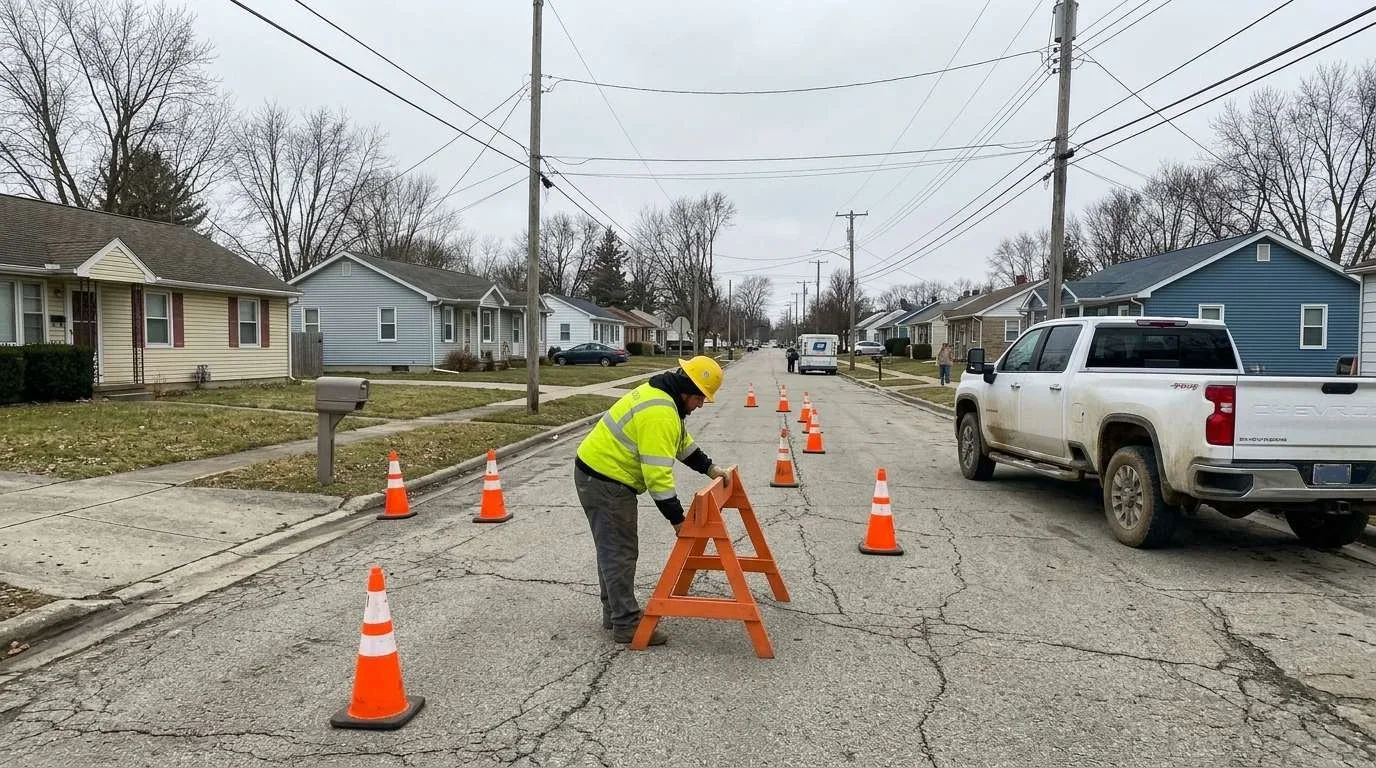
Choosing the right traffic control rental partner can help you set up work zones efficiently and adapt as project conditions change. You need reliable access to the right equipment, backed by a provider that understands traffic control requirements and the demands of active job sites.
For contractors, that means considering several factors before selecting a rental company. Equipment availability, industry experience, safety practices, communication, technology, and rental terms can all affect how well a partner supports your project from setup through completion.
Why your traffic control partner matters
Traffic control needs can change as a project progresses. A lane may need to close, a work area may move, or your crews may need additional equipment as the project enters a new phase.
Your rental partner should be able to keep up with those changes without creating unnecessary complications. An experienced traffic control company can also help you determine which equipment is appropriate for your work zone and project duration.
At W.D. Wright, we provide traffic control equipment rentals for short- and long-term projects on city streets, highways, and other work environments.
What contractors look for in a traffic control company
Your contractor checklist should cover these key areas:
1. Credibility and reputation
You want a provider with a track record you can verify, not just a good sales pitch. Certifications, client feedback, and years of industry experience can all indicate a company's credibility.
What to look for:
Industry certifications: Ask about applicable OSHA safety training and traffic control training or certifications that meet your state's MUTCD requirements. The right credentials can help demonstrate that crews are qualified to establish safe, compliant work zones.
Client testimonials and reviews: Check online reviews and ask for references from projects similar to yours. Feedback from previous clients can help you understand how the company performs in the field.
A long-standing reputation: A company with decades of industry experience has likely encountered a wide range of project types, traffic conditions, and work zone challenges.
2. Traffic control expertise
Experience matters in traffic control. Projects can involve road closures, changing site conditions, multiple crews, and complex operational requirements. Your provider should have the experience to manage those challenges and adjust when conditions change.
What to look for:
A varied project portfolio: Construction zones, utility work, highway maintenance, and special events all involve different traffic patterns and risks. Broad experience can help a provider respond more effectively to unexpected issues.
Specialized personnel: Look for skilled staff who can coordinate closures, manage traffic flow, and meet local and state requirements. The provider should also have a clear point of contact who can answer questions and handle project changes.
Ongoing training: Strong providers regularly train their teams on the latest safety procedures, regulations, and traffic management technologies.
3. Safety record
Safety is central to any traffic control operation. A company's safety practices and record can show you how seriously it takes protecting its employees, your crews, and the traveling public.
What to look for:
Comprehensive safety protocols: Ask about the company's safety procedures, including flagger training, site assessments, hazard identification, and emergency response. Ensure the provider follows applicable safety standards and regulatory requirements.
Low incident rates: Look for a company with a strong safety record. Ask about past incidents, safety violations, or claims and the steps taken to improve safety performance.
Insurance and liability coverage: Confirm that the company carries appropriate insurance and liability coverage for your project's scope. A reputable provider should be transparent about its coverage.
4. Customer service and communication
Clear communication and responsive service help keep traffic control operations running smoothly. You need a company that understands your project requirements and can work effectively with your team from start to finish.
What to look for:
Clear, timely communication: Choose a provider that responds quickly, keeps your team informed, and communicates changes to traffic control plans or project conditions.
Flexibility: Roadwork and construction timelines can change unexpectedly. Look for a company that can adapt quickly to changing needs while helping minimize disruptions to your traffic management plan.
5. Technology and equipment
The traffic control equipment used on your site directly affects how safely and efficiently traffic moves through or around the work zone. Outdated or poorly maintained equipment can increase risks for workers and create confusion for motorists.
What to look for:
Modern traffic control technology: Ask what technology the company uses to help crews manage traffic. W.D. Wright's Guardian SmartFlagger, for example, allows flaggers to operate from a safer position within the work zone.
Truck-mounted attenuators (TMAs): Find out whether the company provides impact-absorbing vehicles such as TMAs when project conditions call for them. These vehicles can add another layer of protection for workers and motorists.
Adequate equipment inventory: Make sure the provider can supply cones, barrels, barricades, signs, arrow boards, message boards, and other equipment in the quantities your project requires.
Engineered traffic control plans: Ask whether the company can develop Maintenance of Traffic (MOT) plans or Traffic Control Plans (TCPs) based on site conditions and applicable project requirements.
6. Clear pricing and rental terms
Price matters, but it shouldn't be the only consideration. The lowest quote can end up costing more if it leads to delays, equipment issues, or rework.
What to look for:
Transparent pricing: A reliable provider should give you a clear, detailed quote upfront so you understand what is included and can avoid unexpected charges later.
Clear rental terms: Ask about rental periods, extensions, delivery and pickup costs, and any additional fees that could affect the final price.
Overall value: Consider the full level of support you're getting for the price. A strong traffic control partner can help with planning and design, equipment, implementation, and ongoing project support.
Why contractors trust W.D. Wright for traffic control safety services
Contractors choose W.D. Wright for its combination of industry experience, training, equipment, and project support.
More than 47 years of experience: W.D. Wright has decades of experience supporting traffic control projects across a range of industries and work environments.
A large team and fleet: We have more than 3,000 team members and a fleet of over 1,500 vehicles.
Broad service coverage: W.D. Wright operates through more than 40 offices across the Midwest, Mid-Atlantic, and Southern states.
Safety-focused training: Our staff receive required OSHA-specific training, ATSSA training, and training related to state-specific MUTCD standards and regulations.
Traffic control planning and equipment: W.D. Wright supports projects with MOT and TCP plans, traffic control equipment rentals, Guardian SmartFlagger technology, and truck-mounted attenuators.
Support for different project types: We work with highway construction, utility projects, special events, emergency response, and contractors with a variety of other traffic control needs.
Get a quote for your next project
If you're planning a construction, utility, or roadway project, choose a traffic control partner that can support both the safety and operational needs of your work zone.
Contact W.D. Wright today to request a quote, discuss traffic control equipment rentals, or arrange trained flaggers for your job site.
Frequently asked questions
What should contractors look for in a traffic control rental partner?
Look for required OSHA-specific training, ATSSA training, knowledge of state-specific MUTCD standards, a strong safety record, responsive communication, and well-maintained equipment that is available when you need it.
Why is equipment availability important when choosing a traffic control rental company?
Equipment shortages can affect your project schedule. A provider with a well-maintained inventory of cones, barricades, signage, AFADs, TMAs, and other traffic control devices can better respond when project needs change.
How far in advance should I schedule a traffic control crew?
Scheduling early gives your provider time to review project requirements, confirm crew and equipment availability, and prepare any required MOT or TCP plans. The exact lead time will depend on your project size, location, and scope.
What's the difference between an MOT plan and a TCP?
A Maintenance of Traffic (MOT) plan and a Traffic Control Plan (TCP) both address how traffic will move through or around a work zone. Specific terminology and requirements can vary by state, agency, and project type.
Does a traffic control company only provide equipment, or also trained flaggers?
This varies by provider. Some companies focus on equipment rentals, while full-service providers such as W.D. Wright offer both traffic control equipment and trained flaggers, along with traffic control planning and other work zone services.
What training should traffic control flaggers have?
Training requirements vary by state and project. Ask whether the provider's flaggers receive OSHA-specific training, ATSSA certification, and instruction on your state's MUTCD standards.
