
Traffic control requirements in Florida: A complete guide
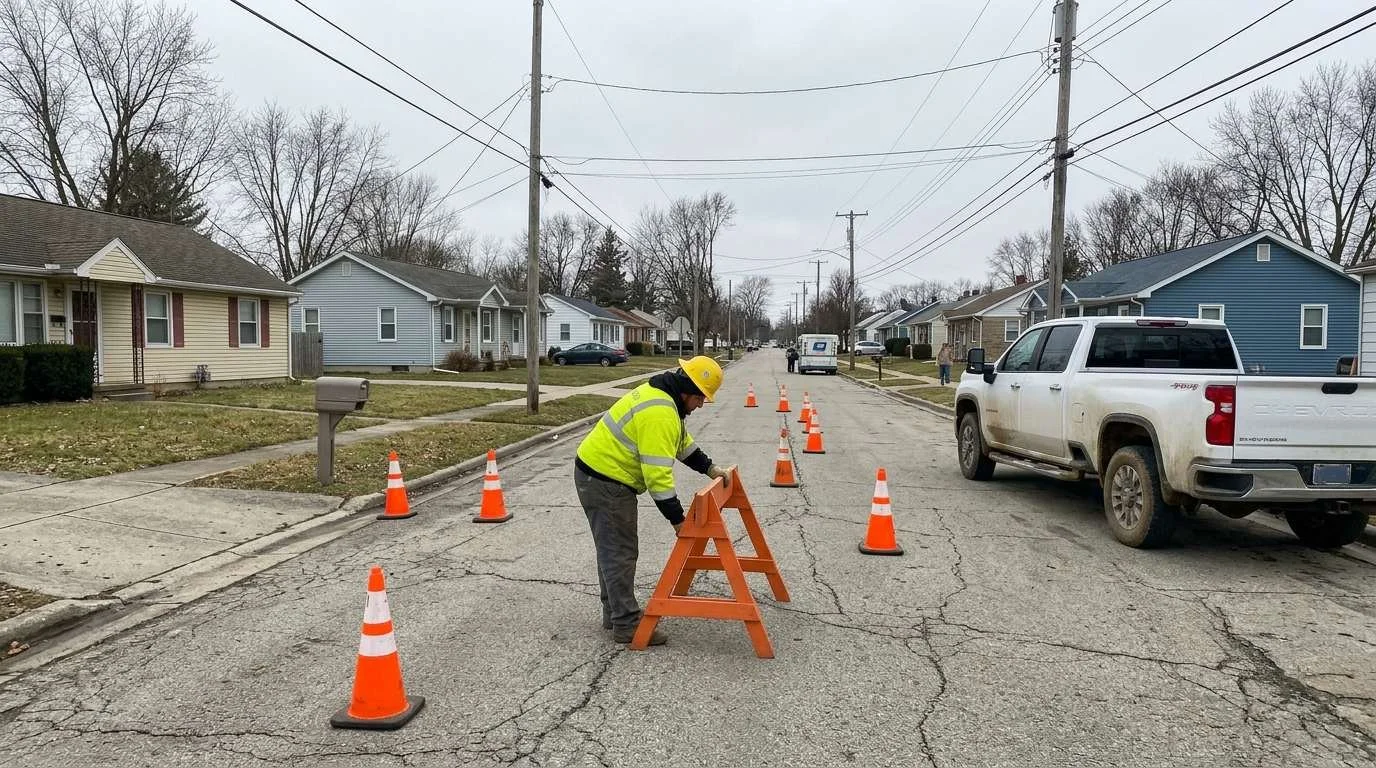
Traffic control plays a vital role in maintaining safe and efficient roadways across Florida, whether for construction, maintenance, or special events. Understanding traffic control requirements in Florida helps contractors and businesses stay compliant, protect workers, and reduce risks for drivers. W.D. Wright provides professional services to help ensure that every project meets state regulations and safety expectations.
Understanding traffic control in Florida
Managing roadway activity is essential for keeping roads safe and projects running smoothly. It involves careful planning, coordination with local authorities, and ensuring that trained personnel are in place to guide vehicle movement. Effective management enhances safety for both drivers and workers, reduces disruptions, and ensures compliance with established state standards. It applies across construction projects, maintenance work, and temporary events where clear direction and control are necessary.
Key Florida traffic control requirements
Florida’s traffic control requirements are primarily guided by the Manual on Uniform Traffic Control Devices (MUTCD) and the Florida Department of Transportation (FDOT) regulations. These standards cover the planning, equipment, personnel, and documentation necessary for safe and compliant traffic management.
1. Planning and layout
Work zones and temporary traffic setups must be carefully planned to minimize disruption and maintain safety. Planners need to assess traffic volume and potential congestion points, identify detour routes and lane closures, strategically place signage, barricades, and cones, and consider factors such as speed limits, visibility, and driver behavior. A well-designed plan ensures that vehicles navigate the work zone smoothly while keeping on-site personnel protected.
2. Proper equipment
Florida regulations specify the types of equipment required for work zones and temporary traffic control areas. Essential tools include cones and barricades for lane separation, arrow boards and electronic signage to provide clear guidance, truck-mounted attenuators for protection in high-risk zones, and portable lighting for nighttime or low-visibility operations. Using this equipment correctly and placing it strategically helps reduce confusion, guide drivers safely, and prevent accidents.
3. Qualified personnel
Trained and certified personnel are vital for effective traffic control. This includes flaggers certified in accordance with FDOT and MUTCD standards, on-site supervisors who monitor compliance and adjust plans as needed, clear communication protocols for emergencies or unexpected traffic changes, and regular refresher training to maintain compliance with traffic control standards in Florida. The competence of personnel is a critical factor in reducing risks and maintaining a safe work environment.
4. Maintenance of Traffic (MOT) plans
Every work zone or temporary traffic control setup must have a Maintenance of Traffic (MOT) plan. These plans outline lane closure sequences and detour routes, specify equipment placement and warning sign locations, define personnel responsibilities and deployment, and establish procedures for emergencies or unexpected traffic changes. MOT plans ensure consistency and provide a structured, organized approach to traffic management throughout the duration of a project.
5. Permits and compliance
Lane closures, detours, and major changes to traffic flow often require approval from state or local authorities. Obtaining the proper permits ensures legal compliance and coordinated execution. Contractors and event organizers must also follow FDOT guidelines and MUTCD standards to minimize liability and protect public safety.
Work zone traffic control requirements
Work zone traffic control requires careful planning, coordination, and execution to keep both workers and drivers safe. In Florida, professional traffic control safety services ensure work zones are designed, set up, and managed according to state requirements. Key requirements include:
Clear placement of signs and cones to direct traffic
Lane closures and detour routes designed to maintain traffic flow
Trained flaggers and on-site personnel to manage conditions
Protocols for nighttime or low-visibility situations
Maintenance of Traffic (MOT) plans that define lane configurations, detours, equipment placement, and personnel responsibilities
Regular inspections and adjustments are essential to address changing traffic patterns, weather conditions, or project scope, ensuring safety and efficiency throughout the duration of the work.
Temporary traffic control for special events
Traffic control requirements in Florida extend beyond road construction. Special events, parades, and urban projects also require temporary traffic management. Essential considerations include:
Planning traffic layouts in advance to prevent congestion
Using appropriate equipment such as barricades, arrow boards, and truck-mounted attenuators
Clearly marking detours and ensuring public awareness
Partnering with professional traffic control safety services ensures proper compliance and enhances safety for all participants.
Compliance tips for contractors and businesses
Staying compliant with Florida traffic control regulations requires attention and expertise. Recommended practices include:
Employ certified personnel trained in traffic control standards
Follow all FDOT guidelines for lane closures, signage, and work zone layouts
Keep detailed records of permits, work zone plans, and safety measures
Schedule regular training for all traffic control staff
These steps reduce risks, maintain safety, and ensure projects meet regulatory requirements.
Advanced safety measures in Florida work zones
Technology is enhancing traffic control services in Florida. Smart cones, automated flaggers, and real-time traffic monitoring help reduce human error and increase compliance. Investing in these solutions supports safer work zones and efficient traffic flow.
These innovations allow supervisors to track operations in real time, quickly respond to changing traffic conditions, and optimize lane configurations to minimize disruption. Implementing advanced traffic control technology can significantly improve both safety and efficiency on any project.
Conclusion
Effective traffic control is essential for keeping Florida roadways safe and projects running smoothly. By following proper planning, using the right equipment, deploying trained personnel, and implementing Maintenance of Traffic (MOT) plans, contractors and event organizers can reduce risks and ensure efficient traffic flow. Leveraging modern technology and partnering with experienced providers like W.D. Wright further enhances safety and compliance, helping ensure that every project meets state standards.
Frequently asked questions
Who regulates traffic control standards in Florida?
The Florida Department of Transportation oversees traffic control standards and ensures compliance across all roadway projects.
What is an MOT (Maintenance of Traffic) plan in Florida?
An MOT plan outlines how traffic is safely managed through construction or work zones, including lane closures, detours, signage, and personnel deployment.
Do I need a permit for lane closures in Florida?
Yes, most lane closures require approval from state or local authorities to maintain safe traffic conditions.
What equipment is required for work zones in Florida?
Common equipment includes cones, barricades, arrow boards, signage, and truck-mounted attenuators to keep both workers and drivers safe.
Can I hire professional traffic control services for events?
Yes, companies like W.D. Wright provide traffic control services for construction projects, parades, festivals, and other temporary events to ensure safety and compliance.
