
What is the MUTCD and why it matters for traffic control
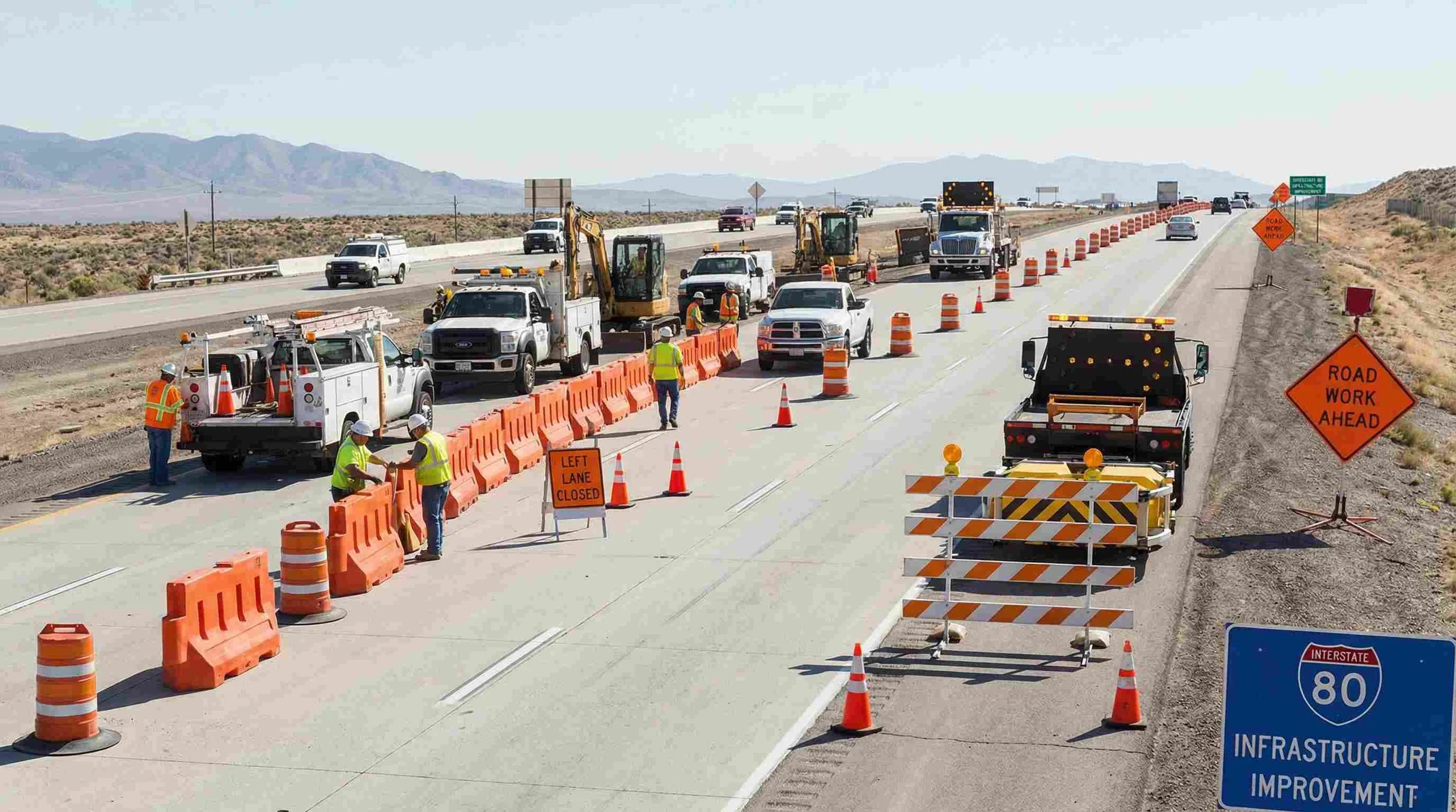
There's more to traffic control than just cones, signs, and lane closures. It is a carefully coordinated system designed to keep roads organized, protect workers, and reduce the risk of accidents. Across the United States, these standards ensure that drivers see consistent signals and instructions wherever they travel.
At W.D. Wright, we help clients plan and implement safe, compliant traffic setups for construction sites, roadwork, and special events. Understanding the Manual on Uniform Traffic Control Devices is essential for anyone involved in traffic management, as it sets the foundation for clear communication and safe conditions on the road.
The purpose and role of the MUTCD
The MUTCD was created to bring consistency to traffic control across the United States. Before it existed, drivers often encountered different signs, signals, and markings depending on the region, which caused confusion and increased the risk of accidents.
By setting clear national standards, the MUTCD ensures that traffic control devices such as road signs, pavement markings, and traffic signals look and function the same way everywhere. This consistency helps drivers quickly understand what is expected of them, reduces hesitation and mistakes, and improves safety for everyone on the road.
From everyday driving to temporary work zones, these guidelines make travel more predictable and create a safer environment for both motorists and road workers.
Key components of the MUTCD for traffic control
The MUTCD is a detailed document that covers a wide range of traffic control elements. Some of the key components include:
Regulatory signs that communicate laws and requirements, such as speed limits and stop signs
Warning signs that alert drivers to upcoming hazards or changes in road conditions
Guide signs that provide directions, distances, and location information
Pavement markings that define lanes, crossings, and restrictions
Traffic signals that control the flow of vehicles and pedestrians
Temporary traffic control setups used in construction and maintenance zones
Together, these elements form a system guided by MUTCD guidelines, keeping traffic safe, predictable, and organized.
Real-world examples of MUTCD in everyday driving
Most people interact with the MUTCD every day without realizing it. Common examples include:
Stopping at a red light or a stop sign
Following lane markings on highways
Seeing orange warning signs near construction zones
Navigating detours during road work
Even something as simple as recognizing a yellow warning sign or a white regulatory sign is part of a standardized system designed to communicate quickly and effectively with drivers.
How MUTCD improves safety for drivers and road workers
Safety is the primary goal of the MUTCD. By creating uniform expectations, it helps reduce accidents and improve awareness in both everyday driving and high-risk environments.
For drivers, it provides clear and consistent instructions that are easy to understand. For road workers, especially in construction zones, it creates a safer working environment by guiding traffic in a controlled, predictable way.
By following MUTCD standards for traffic control, organizations can protect lives and stay compliant with safety regulations.
Who enforces MUTCD guidelines?
The MUTCD is issued at the federal level, but enforcement occurs across multiple layers of government. Federal agencies provide oversight and issue updates, state departments adopt and implement the standards, and local municipalities apply them to roads and projects within their jurisdictions.
Contractors and traffic control companies are responsible for following these standards when setting up work zones. Doing so helps maintain road safety compliance and ensures that drivers and workers remain protected while projects proceed efficiently.
How the MUTCD applies to work zone traffic control
Work zones are one of the most critical areas where MUTCD standards are applied. Temporary traffic control setups must be carefully planned to protect both workers and drivers.
This includes:
Proper placement of signs and cones
Safe lane closures and detours
Clear communication of changes in traffic patterns
Trained flaggers managing vehicle flow
Companies like W.D. Wright provide professional traffic control services to implement these setups safely, ensuring work zones remain compliant, efficient, and secure for both workers and drivers.
Why understanding MUTCD matters for traffic control projects
Understanding the MUTCD is essential for compliance, but it also directly contributes to the success of a project.
When MUTCD standards are followed:
Projects run more smoothly with fewer disruptions
Safety risks are significantly reduced
Legal and regulatory issues are minimized
Public trust and confidence are maintained
Ignoring these standards can lead to confusion, accidents, and costly delays. For anyone involved in roadwork or infrastructure, having a solid understanding of the MUTCD is essential.
Final thoughts
The MUTCD plays a vital role in keeping roads organized, predictable, and safe. From everyday driving to complex construction projects, its standards guide how traffic is managed across the country.
By understanding and applying these principles, contractors and agencies can create safer environments, avoid costly mistakes, and ensure that every project meets the highest standards of traffic control.
Frequently asked questions
Why does the MUTCD matter for traffic control?
The MUTCD matters because it creates a consistent system that drivers can rely on. This consistency improves safety, reduces confusion, and ensures that traffic control regulations are effective in all conditions.
What is the purpose of the MUTCD?
The purpose of the MUTCD is to establish national standards for traffic control devices. It ensures that all signs, signals, and markings communicate clearly and consistently to road users.
What types of traffic control devices are covered by the MUTCD?
The MUTCD covers a wide range of devices, including road signs, traffic signals, pavement markings, cones, barriers, and temporary traffic control setups used in work zones.
How does the MUTCD improve road and work zone safety?
The MUTCD improves safety by standardizing how information is presented to drivers. Clear and consistent messaging reduces errors, improves reaction time, and helps protect both drivers and workers in active road environments.
