
The importance of traffic barrels and safety cones in traffic control and safety
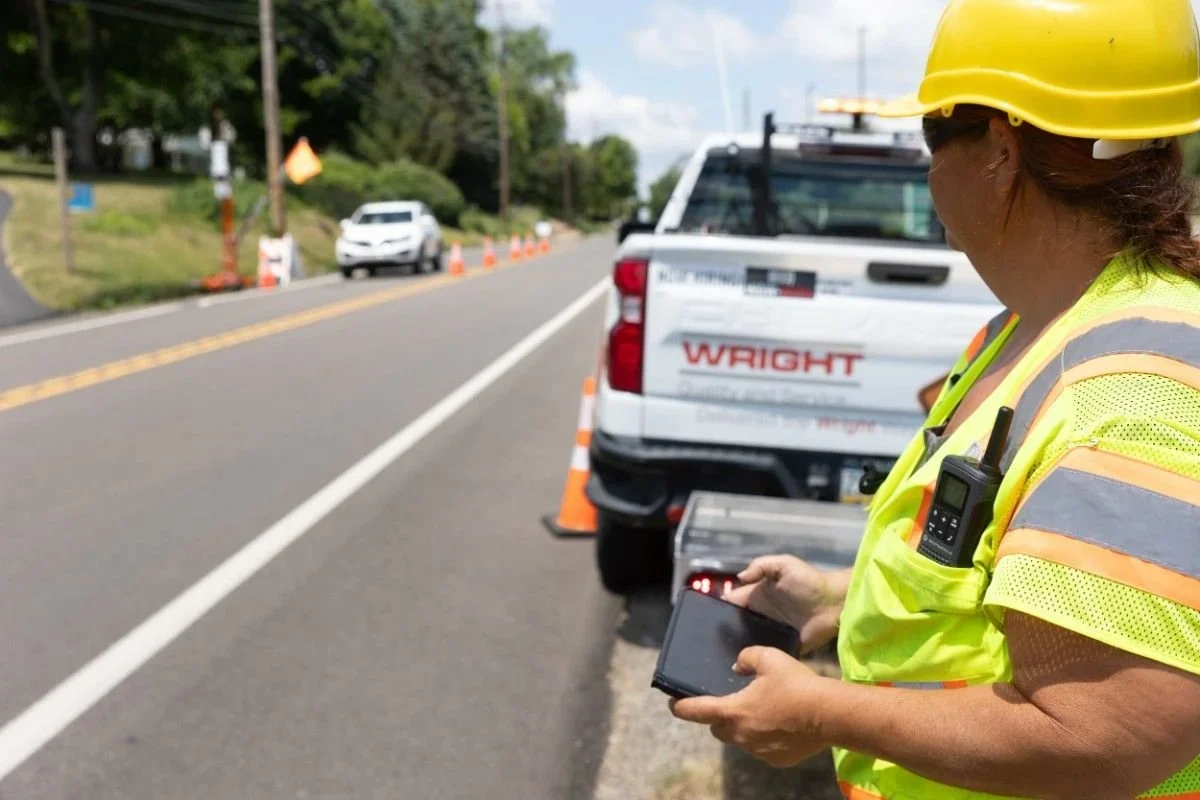
In active work zones, safety depends on clear communication and structured movement. Roads under construction, utility work areas, and temporary closures all require tools that guide drivers and protect workers without confusion.
Among the most widely used solutions, traffic control safety equipment plays a critical role in maintaining order and preventing accidents. Two of the most essential tools in this category are traffic barrels and safety cones. While they may seem simple, their impact on safety and efficiency is significant.
Understanding the role of traffic barrels and safety cones
Traffic safety barrels and cones are essential traffic control tools used to guide vehicles, mark hazards, and maintain safe movement through work zones. Although both serve similar purposes, their applications differ based on the environment and level of risk.
| Use case | Traffic barrels | Safety cones |
|---|---|---|
| Best for | High-speed, long-term projects | Short-term, low-speed areas |
| Visibility | High, visible from a greater distance | Moderate, effective at closer range |
| Flexibility | Less flexible | Easy to move and adjust |
| Design features | Taller, wider, with reflective bands | Smaller, lightweight, minimal reflective surface |
Together, they create clear visual cues that help regulate traffic flow, reduce confusion, and improve overall safety for both drivers and on-site workers.
Why traffic barrels and cones are critical for road safety
Work zones operate under constantly changing conditions, where lane configurations, vehicle speeds, and worker proximity can shift throughout the day. In these environments, even small misunderstandings in road layout can lead to serious safety risks. Traffic barrels and cones help reduce that risk by translating complex work zone layouts into simple, visible driving instructions.
Improving early recognition of road changes
One of the most important safety functions of traffic control devices is to give drivers early notice of upcoming changes. Cones and barrels help communicate that the normal road pattern has been altered well in advance of the work area.
This early recognition reduces sudden decision-making, allowing drivers to adjust speed and positioning gradually rather than reacting at the last moment.
Creating structured and predictable driving paths
Uncontrolled work zones can create confusion for drivers, especially when lanes shift or merge unexpectedly. Properly arranged cones and barrels create a clear driving path through these areas.
This structure helps eliminate uncertainty by guiding vehicles along a defined route, thereby improving flow consistency and reducing erratic driving behavior, such as late lane changes or hesitation.
Increasing physical and visual separation from work activity
Beyond guiding traffic, these devices also function as a separation system between live traffic and active work areas. This separation is critical in preventing accidental entry into restricted zones.
Barrels, in particular, strengthen this boundary in higher-speed environments, where vehicle stopping distances are longer, and reaction windows are smaller.
Supporting compliance with traffic management standards
Traffic control setups are not arbitrary. They are designed in accordance with established road safety guidelines and project-specific traffic management plans.
Proper use of cones and barrels ensures that work zones align with regulatory expectations, helping contractors maintain compliance and reduce liability exposure in the event of an incident.
Enhancing safety in low visibility conditions
Road safety challenges increase significantly at night or in poor weather. Reflective surfaces and high-contrast coloring keep cones and barrels visible under headlights and in low-light conditions.
This continuous visibility ensures that drivers receive consistent guidance regardless of environmental conditions.
Improving driver decision-making under pressure
Work zones often require drivers to make quick adjustments in speed and direction. Clear visual cues reduce cognitive overload by simplifying what the driver needs to interpret.
Instead of processing multiple uncertainties, drivers respond to clear lane definitions and hazard boundaries, leading to more stable, predictable driving behavior.
Allowing flexible traffic control adjustments
Construction environments evolve over time, requiring traffic control systems to adapt accordingly. Cones can be repositioned quickly for short-term changes, while barrels provide stability for longer-duration setups.
This flexibility ensures that traffic management remains effective throughout different stages of a project without compromising safety.
Common applications across industries
Traffic control devices are used across multiple sectors where safety and organization are essential.
Road construction projects: In construction zones, cones and barrels define lanes, mark hazards, and protect workers from moving vehicles.
Utility and telecom work zones: Maintenance crews rely on these tools to secure areas where repairs or installations are taking place.
Event traffic management: Large events often use cones and barrels to manage parking, direct vehicles, and ensure smooth entry and exit.
Emergency and temporary closures: First responders and road crews use these devices to quickly establish safe zones during unexpected situations.
Best practices for using traffic barrels and safety cones
Proper use of these tools is essential for safe and effective traffic control.
Correct placement for maximum visibility
Ensure that all devices are clearly visible and not obstructed by other elements. Proper alignment helps drivers understand the intended traffic pattern.
Maintenance and inspection tips
Damaged or faded equipment can reduce effectiveness. Regular inspections help maintain visibility and reliability.
Using reflective materials and lighting
In low-light conditions, reflective surfaces and additional lighting enhance visibility and improve safety outcomes.
Consistent spacing and alignment
Maintaining uniform spacing between cones and barrels helps create a predictable path for drivers. Inconsistent placement can lead to confusion and unsafe driving behavior.
Common mistakes to avoid in traffic control setup
Even small mistakes can lead to serious safety risks.
Placing devices too close together or too far apart
Using the wrong type of equipment for the environment
Ignoring visibility during nighttime or poor weather conditions
Avoiding these issues ensures a safer and more efficient work zone.
How professional traffic control services improve safety
Managing traffic in active work zones requires careful planning, hands-on experience, and the right equipment to ensure safety and efficiency at every stage.
At W.D. Wright, we take a structured approach to traffic control, focusing on compliance, reliability, and real-world performance. From developing effective traffic control plans to deploying trained personnel and dependable equipment, every detail is handled with precision to keep projects moving safely and smoothly.
To support different project needs, we also offer traffic safety equipment rental services, making it easier to access the right tools when needed without the burden of long-term ownership.
Choosing the right equipment for your project
Selecting the right tools depends on several factors.
Traffic speed and volume
Duration of the project
Type of work being performed
Environmental conditions
For example, traffic control barrels are better suited for long-term or high-speed areas, while cones are ideal for short-term or low-speed environments.
Small tools, big impact on safety
Traffic safety cones and barrels may appear simple, but their role in maintaining safety and order is essential. From guiding drivers to protecting workers, these tools are a fundamental part of any successful traffic control strategy.
By choosing the right equipment, following best practices, and ensuring proper placement, you can significantly reduce risks and improve efficiency in any work zone.
Frequently asked questions
Why are traffic cones important in construction zones?
Traffic cones create clear boundaries, guide drivers safely, reduce confusion, and help protect workers in active construction areas.
How do traffic barrels improve work zone safety?
Traffic barrels increase visibility in high-risk zones, alert drivers earlier, and provide more reaction time for safer navigation.
When should you rent traffic safety equipment?
Rentals are ideal for short-term projects, offering flexibility and access to high-quality equipment without long-term ownership costs.
What types of traffic safety equipment are commonly used on roads?
Common equipment includes cones, barrels, barricades, delineators, and warning signs, all designed to manage traffic flow safely.
Is traffic safety equipment suitable for all weather conditions?
Yes, most equipment is designed to withstand harsh weather, maintaining stability, visibility, and performance in rain, wind, or heat.
How does proper placement of traffic equipment improve safety?
Strategic placement guides drivers clearly, reduces confusion, and ensures smooth traffic movement while protecting workers and pedestrians.
