
The role of traffic control equipment in highway construction
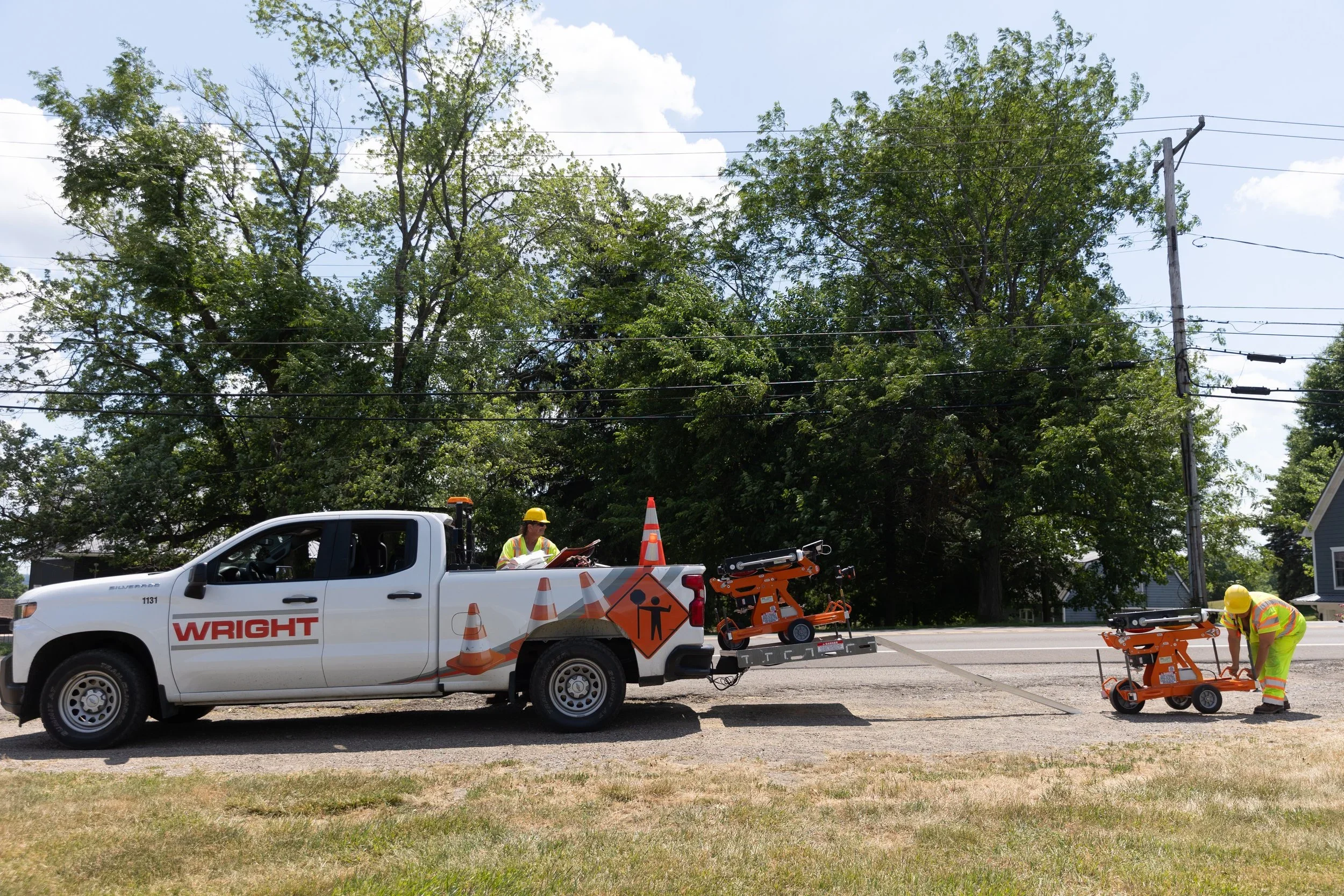
Highway construction can change normal traffic patterns as lanes close, traffic shifts, and work areas move throughout a project. These changes must be managed carefully so vehicles can move through the work zone while construction activities continue.
Traffic control equipment supports this process by guiding road users, communicating temporary roadway changes, and clearly defining active work areas. The type of equipment used can vary depending on the roadway, traffic conditions, and the type and stage of construction.
Why is traffic control equipment important in highway construction?
Traffic control equipment helps manage how vehicles move through and around active work zones. Signs provide advance information about upcoming changes, while cones, drums, and other channelizing devices guide drivers along the intended route.
The equipment also helps create a clear, visible separation between traffic and construction activities. When traffic control devices are selected, placed, and maintained in accordance with applicable requirements, they can support safer, more orderly movement through the work zone.
What types of traffic control equipment are used on highways
Different highway projects require different types of equipment depending on traffic conditions, roadway design, and the work being performed.
Traffic cones and channelizing devices
Traffic cones and other channelizing devices help define travel paths and separate moving vehicles from active work areas. They are commonly used for lane closures, temporary lane shifts, merges, and other changes to normal traffic patterns.
Traffic barrels and barricades
Traffic barrels and barricades help establish visible boundaries around work areas and restricted sections of the roadway. They can also reinforce temporary traffic patterns and guide drivers away from areas that are closed to traffic.
Warning signs
Warning signs provide advance information about construction activities, lane closures, changing roadway conditions, and other work zone conditions. Clear, visible signs help drivers anticipate upcoming changes and prepare to navigate through the work zone.
Truck-mounted attenuators
Truck-mounted attenuators are designed to absorb energy during certain vehicle impacts. They can provide an additional layer of protection for workers and equipment in work zones where they are needed. Their use depends on factors such as roadway speed, traffic conditions, and project requirements.
Temporary traffic signals
Temporary traffic signals can help manage vehicle movement when construction changes the normal operation of a roadway. They can be used to control traffic through temporary lane configurations, closures, and other roadway changes during construction.
Advanced traffic control devices
Advanced traffic control devices use technology to help manage traffic and communicate with drivers as work zone conditions change. These devices can include automated flagger assistance devices, smart message boards, and advanced traffic signals. The appropriate technology depends on the roadway configuration, traffic conditions, and project requirements.
Factors that influence traffic control equipment selection
There is no single traffic control setup that works for every highway project. Equipment should be selected based on the specific roadway, work zone, and construction activities involved.
Some of the main factors to consider include:
Traffic conditions: Higher speeds may require more visible advance-warning equipment, while heavier traffic can increase the need for devices that clearly channel vehicles through the work zone.
Roadway layout: Narrow lanes and shoulders can limit equipment size and placement, while intersections, curves, and lane shifts may require additional guidance devices.
Work zone configuration: Lane closures, traffic shifts, and work near active lanes can affect whether signs, channelizing devices, barriers, or other equipment are needed.
Construction phase: As the work area and traffic pattern change between phases, equipment may need to be added, removed, or replaced.
Visibility conditions: Night work, poor weather, curves, and limited sight distance may require equipment with greater visibility or illumination.
Applicable requirements: The approved traffic control plan and applicable federal, state, and local requirements can determine which equipment may be used and how it must be deployed.
Because equipment needs can change throughout a project, contractors can rent traffic control equipment for specific phases rather than keeping the same devices on site for the duration of the work.
How professional traffic control services can support a project
Highway construction projects often become more complex as work moves through different phases. Traffic patterns may shift, crews may be working in multiple areas, and construction can take place close to active travel lanes. All of this can make managing traffic around the work zone more challenging.
That’s where traffic control safety services can help. From planning traffic patterns to managing day-to-day operations in the work zone, an experienced traffic control team can coordinate with the construction schedule and adapt as the project changes. This helps keep traffic operations organized as work continues.
Final thoughts
Effective traffic control is an important part of managing highway construction work zones. With the right equipment and a well-planned approach, it can help keep traffic moving during construction while creating clear travel paths and well-defined work areas as the project progresses through each stage.
If you need professional traffic control support for your highway project, W.D. Wright can help with traffic control management, equipment rentals, and MOT/TCP design. Contact our team today to discuss your project's requirements.
Frequently asked questions
What is the most common traffic control equipment used in highway construction?
Traffic cones, channelizing devices, traffic barrels, barricades, warning signs, and other traffic control devices are commonly used to guide and manage traffic through temporary highway work zones.
What equipment protects workers from approaching vehicles?
Several devices can help protect workers, including channelizing devices, barriers, and truck-mounted attenuators. The appropriate equipment depends on site conditions and project requirements.
How do traffic control devices help drivers navigate highway work zones?
They provide warnings, guidance, and visual cues that help drivers understand temporary changes, such as lane closures, shifts, merges, and roadway restrictions.
How do you determine which traffic control equipment a project needs?
Equipment selection depends on factors such as traffic speed, traffic volume, roadway layout, work area configuration, project phase, visibility, and applicable regulations.
What factors can affect traffic control during highway construction?
Traffic volume, roadway layout, work zone configuration, construction phase, visibility, and changing site conditions can all affect how traffic is managed during a highway project.
