
Traffic control equipment for utility projects: What contractors need
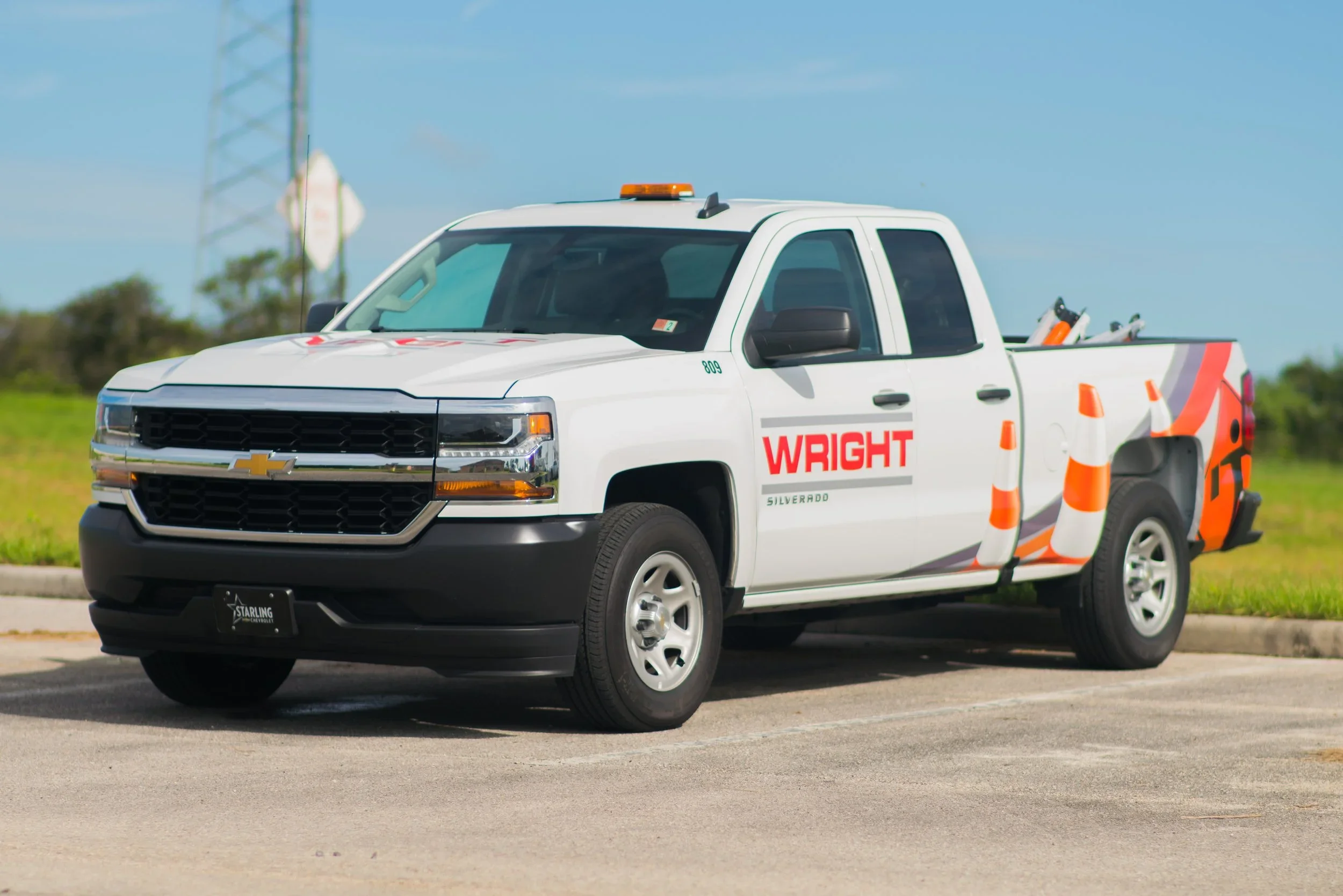
Utility projects often take place alongside active roads, sidewalks, and public access areas. From repairing water lines to installing electrical or telecommunications infrastructure, crews may need to work in spaces shared with motorists and pedestrians. These conditions can make effective traffic management essential to keeping the work area safe and organized.
The traffic control equipment a project needs can vary based on the type of utility work, roadway conditions, and project duration. Understanding the available options can help contractors choose a setup that fits the specific demands of each job.
Why traffic control matters for utility projects
Utility work can temporarily change how vehicles and pedestrians move through an area. A project may block part of a roadway, restrict access, close a lane, or require traffic to follow a temporary route.
Effective traffic control in utility work zones helps:
Clearly define the boundaries of active work areas
Guide drivers and pedestrians through or around work zones
Restrict access to closed or hazardous areas
Support compliance with applicable work zone requirements
By planning traffic control alongside the construction work, contractors can better manage temporary changes while allowing crews to stay focused on the job.
Essential traffic control equipment for utility projects
Different traffic control devices serve different purposes. The right combination depends on the roadway, work area, traffic conditions, and scope of the project.
Traffic cones and channelizing devices
Traffic cones and channelizing devices help define temporary boundaries and guide vehicles around active work areas. They're useful for separating construction activity from moving traffic and can be repositioned as work progresses.
Barricades
Barricades help restrict access to areas that vehicles or pedestrians should not enter. Utility contractors may use them around excavations, closed lanes, restricted areas, and road closures.
Arrow boards
Arrow boards provide clear visual direction to motorists approaching a work zone. They can indicate lane shifts or help guide traffic around areas where utility work is taking place.
Message boards
Portable message boards give drivers advance notice of changing road conditions. Depending on the project, they may display information about upcoming work, lane closures, delays, detours, or other temporary conditions.
Traffic signs
Temporary traffic signs provide instructions and warnings related to lane closures, speed restrictions, road conditions, and other construction-related changes. Proper placement helps ensure road users receive the information they need before reaching the work zone.
Truck-mounted attenuators
Truck-mounted attenuators are designed to absorb energy during certain vehicle impacts. They are often used to help protect work zones and crews from errant vehicles, particularly on higher-speed roadways.
How to choose traffic control equipment for a utility project
No single traffic control setup works for every utility project. Contractors should consider the specific conditions of each job before choosing equipment.
Type of utility work
A telecommunications repair may involve a relatively small work area, while a water main replacement could extend across a much larger section of roadway. Consider the space required for work equipment and crews, excavation areas, and how the work is expected to progress.
Road and traffic conditions
Road width, traffic volume, vehicle speeds, and the number of affected lanes can all influence the traffic control setup. Urban projects may also require contractors to account for pedestrians, nearby businesses, driveways, and intersections.
Work zone size and duration
Short-term repairs may require equipment that can be deployed and removed quickly. Longer projects may require a larger inventory of traffic control devices that can be adjusted as the work progresses.
Should utility contractors rent or buy traffic control equipment?
Whether it makes more sense to rent or buy depends on how often the equipment is needed, how much is required, and whether the contractor has the space and resources to store and maintain it.
When equipment rental makes sense
Renting traffic control equipment can be a practical option when contractors need specific devices for a single project or limited period. It also gives contractors access to specialized equipment without requiring them to purchase, store, and maintain every item themselves.
When purchasing may be more practical
Purchasing may make more sense for contractors who regularly use the same traffic control devices across multiple projects. Owning frequently used equipment provides convenient access and can reduce the need to arrange rentals for every job.
When comparing the two options, contractors should consider upfront costs, storage, maintenance, replacement needs, and how often the equipment is likely to be used.
How W.D. Wright helps utility contractors with traffic control
W.D. Wright provides traffic control services, equipment rentals, and traffic control plan design for projects that require temporary traffic management. Our offerings include traffic control equipment, barricading, truck-mounted attenuators, and engineer-approved maintenance of traffic and traffic control plans.
Our experienced team helps utility contractors coordinate the planning, equipment, and on-site support needed to manage traffic safely and efficiently at every stage of the project.
Conclusion
Traffic management is an important consideration for utility projects taking place around active roads and public areas. Choosing suitable traffic control equipment and planning the setup in advance can help contractors manage temporary changes and keep projects running efficiently.
From short-term repairs to larger infrastructure projects, every work zone has different requirements. If you're planning an upcoming utility project and need help selecting equipment or developing a traffic control setup, contact us to discuss your project needs and available options.
Frequently asked questions
How do contractors choose the right traffic control equipment for a job site?
Contractors should consider the type of utility work, road layout, traffic volume, vehicle speeds, work zone size, project duration, and applicable requirements.
What are the essential traffic control devices for utility contractors?
Common traffic control devices include cones, channelizing devices, barricades, temporary traffic signs, arrow boards, and message boards. Specialized equipment may also be required depending on roadway and work zone conditions.
When should utility contractors consider renting traffic control equipment?
Rental can be useful when equipment is needed for a specific project or a limited period. It can also provide access to specialized equipment without the cost and responsibility of purchasing, storing, and maintaining a large inventory.
Why are truck-mounted attenuators used on utility projects?
Truck-mounted attenuators are designed to absorb energy during certain vehicle impacts. They can provide an additional layer of protection for crews working near active traffic, particularly on higher-speed roads.
Why is a traffic control plan important for utility work?
A traffic control plan outlines how traffic and other road users will be managed around the work area. It helps contractors plan temporary traffic patterns and determine the appropriate traffic control measures.
